 |
 |
 |
 |
 |
|
|
|
|
|
|
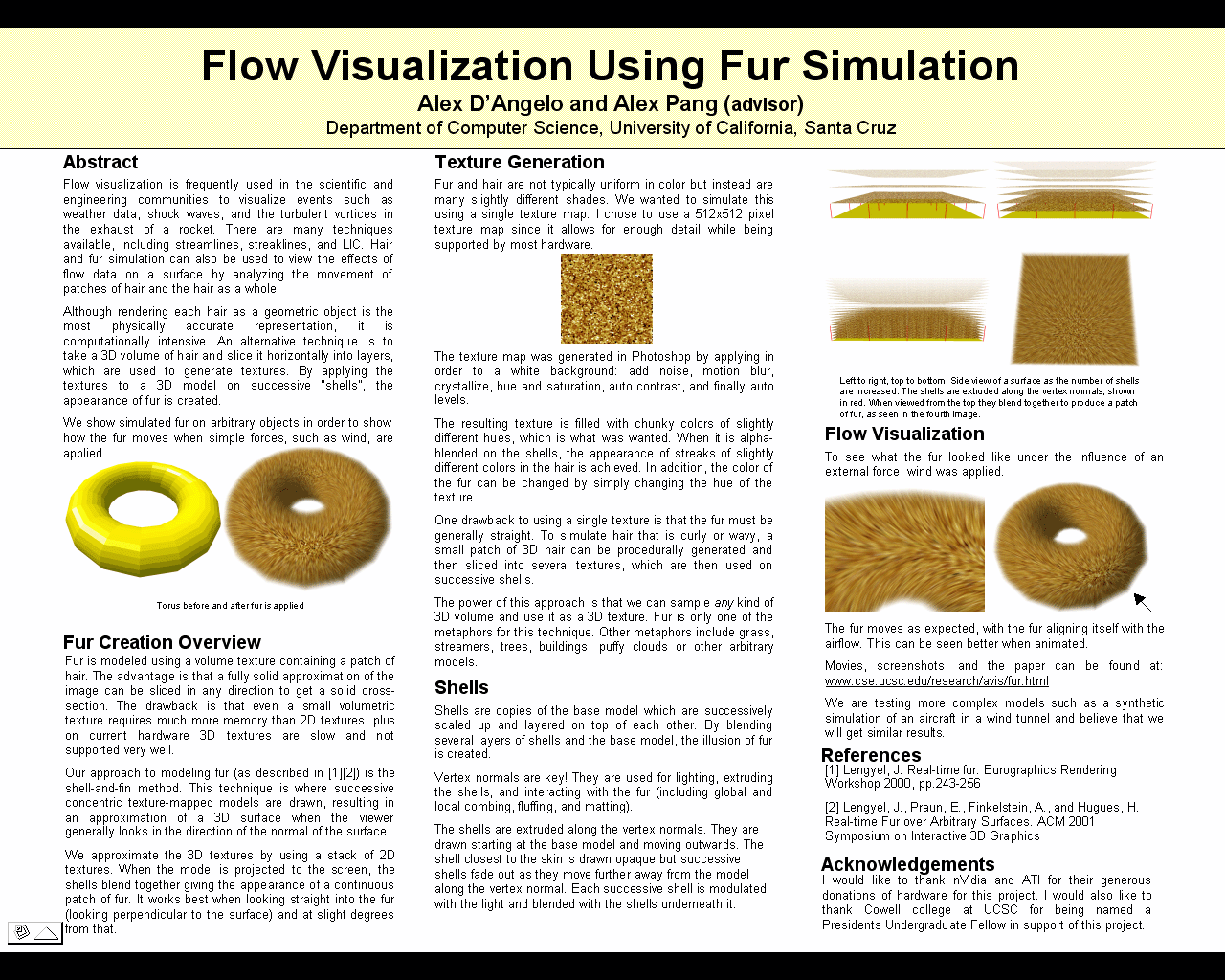
Flow visualization is frequently used in the scientific and engineering communities to visualize events such as weather data, shock waves, and the turbulent vortices in the exhaust of a rocket. There are many techniques available, including streamlines, streaklines, and LIC. Hair and fur simulation can also be used to view the effects of flow data on a surface by analyzing the movement of patches of hair and the hair as a whole.
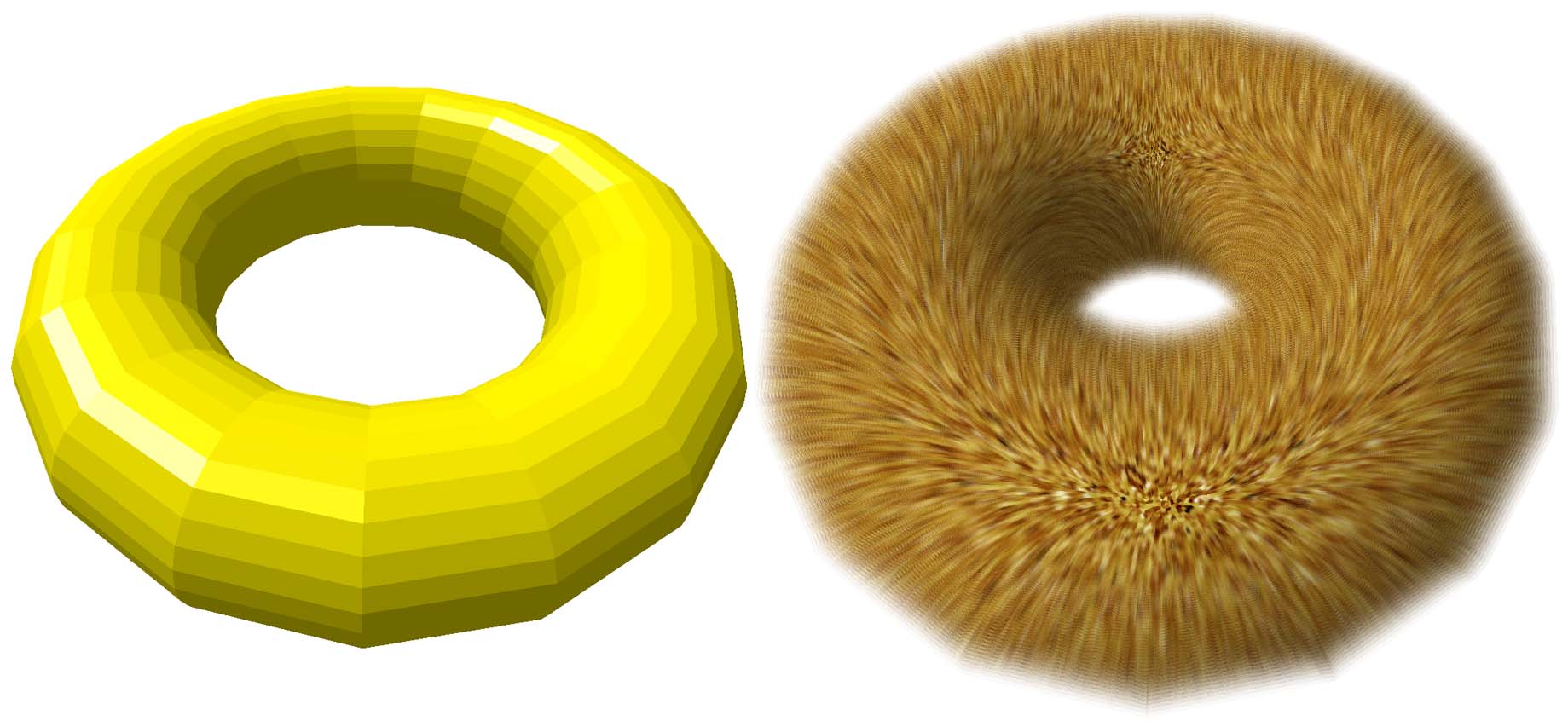
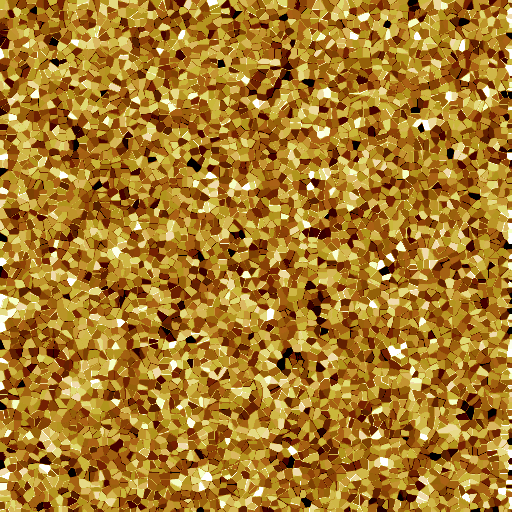
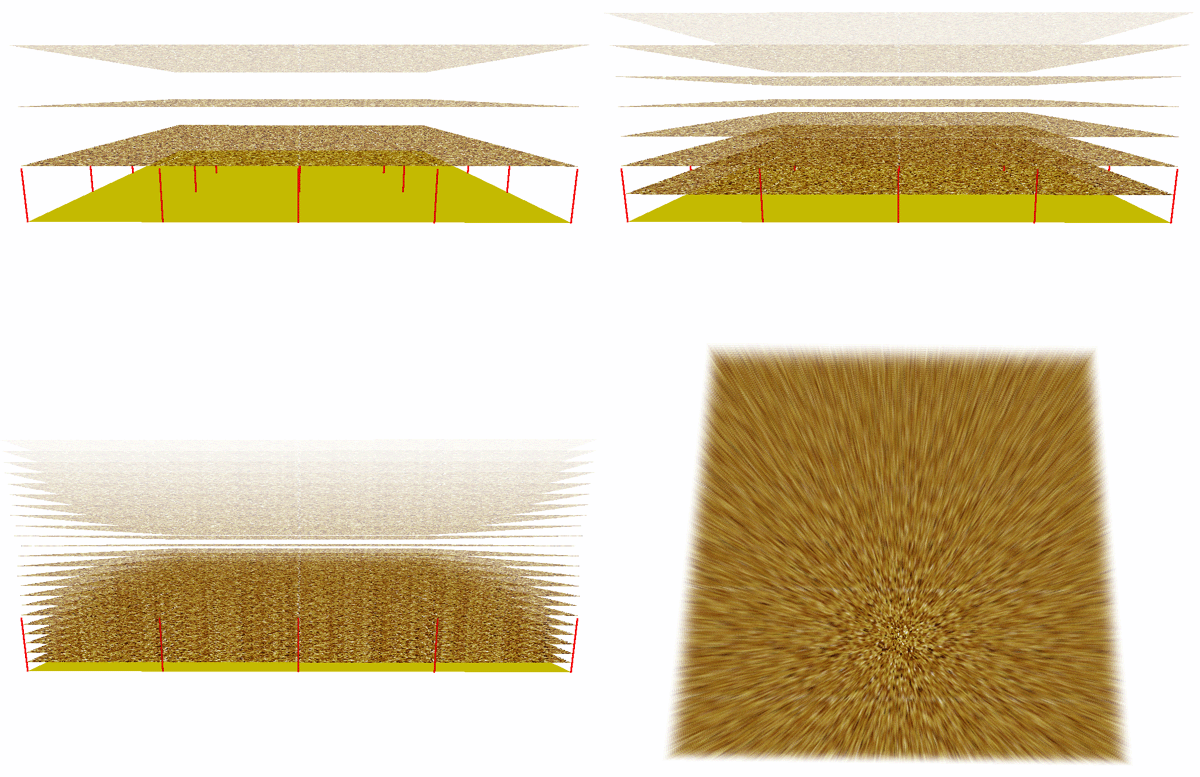
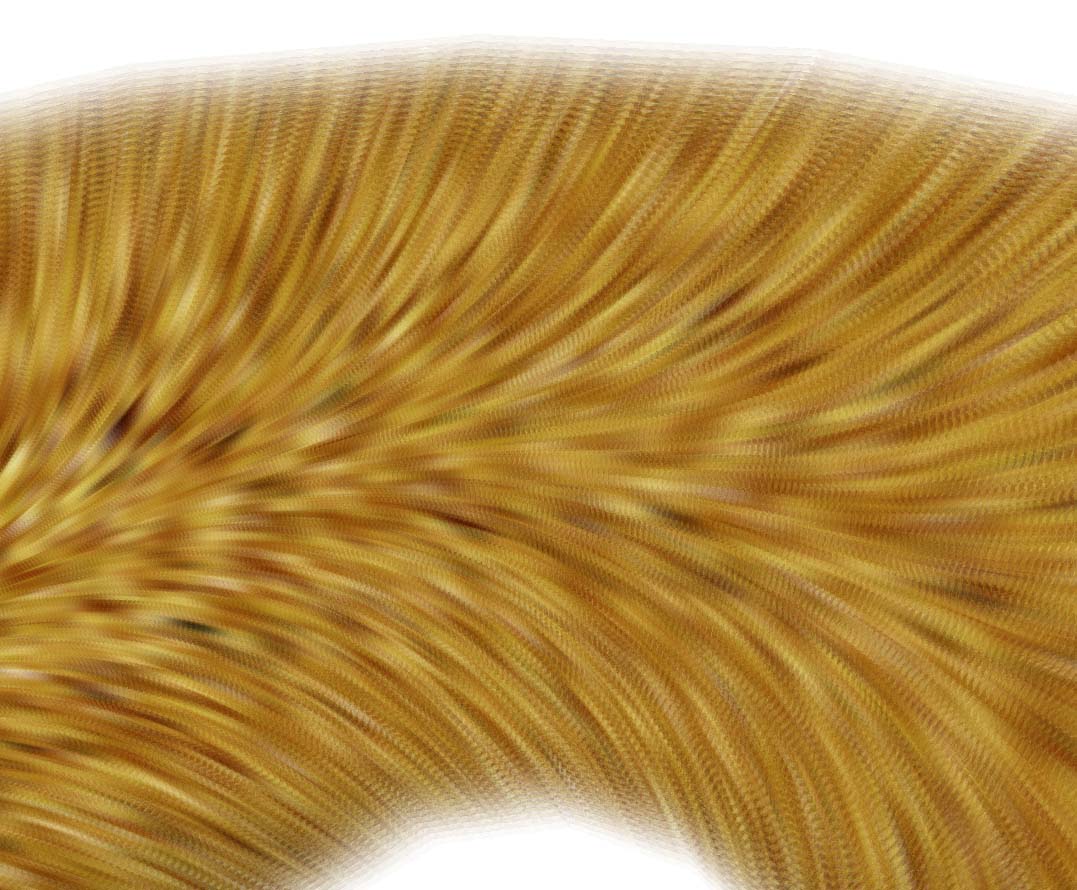
Although rendering each hair as a geometric object is the most physically accurate representation, it is computationally intensive. An alternative technique is to take a 3D volume of hair and slice it horizontally into layers, which are used to generate textures. By applying the textures to a 3D model on successive shells, the appearance of fur is created.
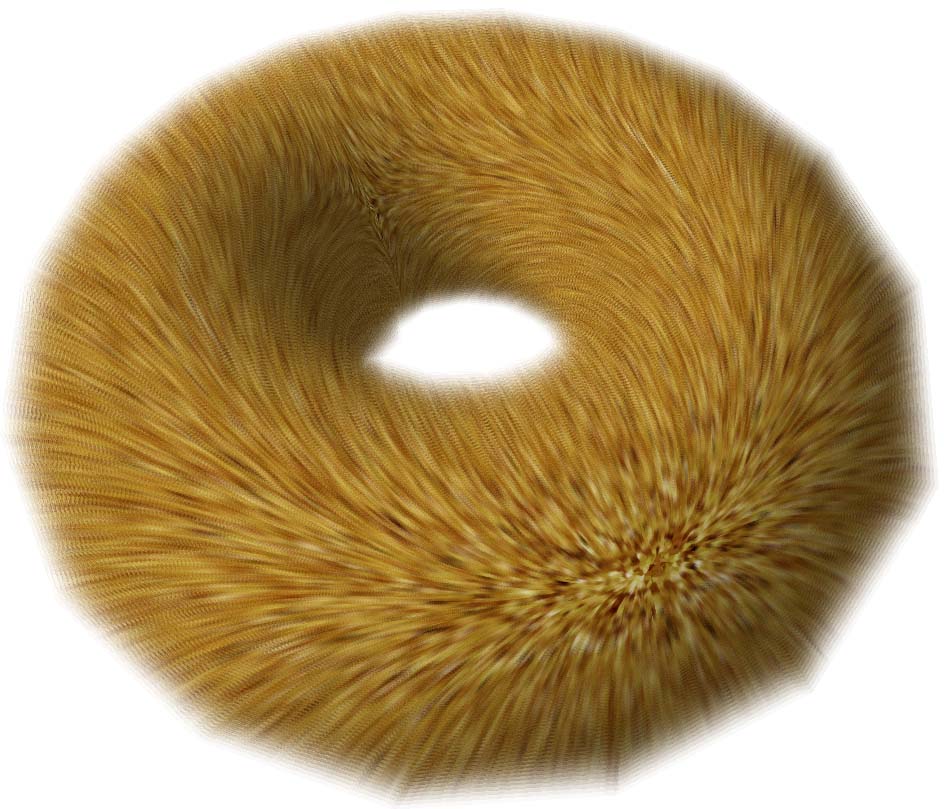
We show simulated fur on arbitrary objects in order to show how the fur moves when simple forces, such as wind, are applied.
|
|
|
|
|
|
|
|
|
|
|
|
 Return to CE/CIS home page
 Return to SLVG home page
Last modified .